
The 5 Core Principles of Effective Executive Support
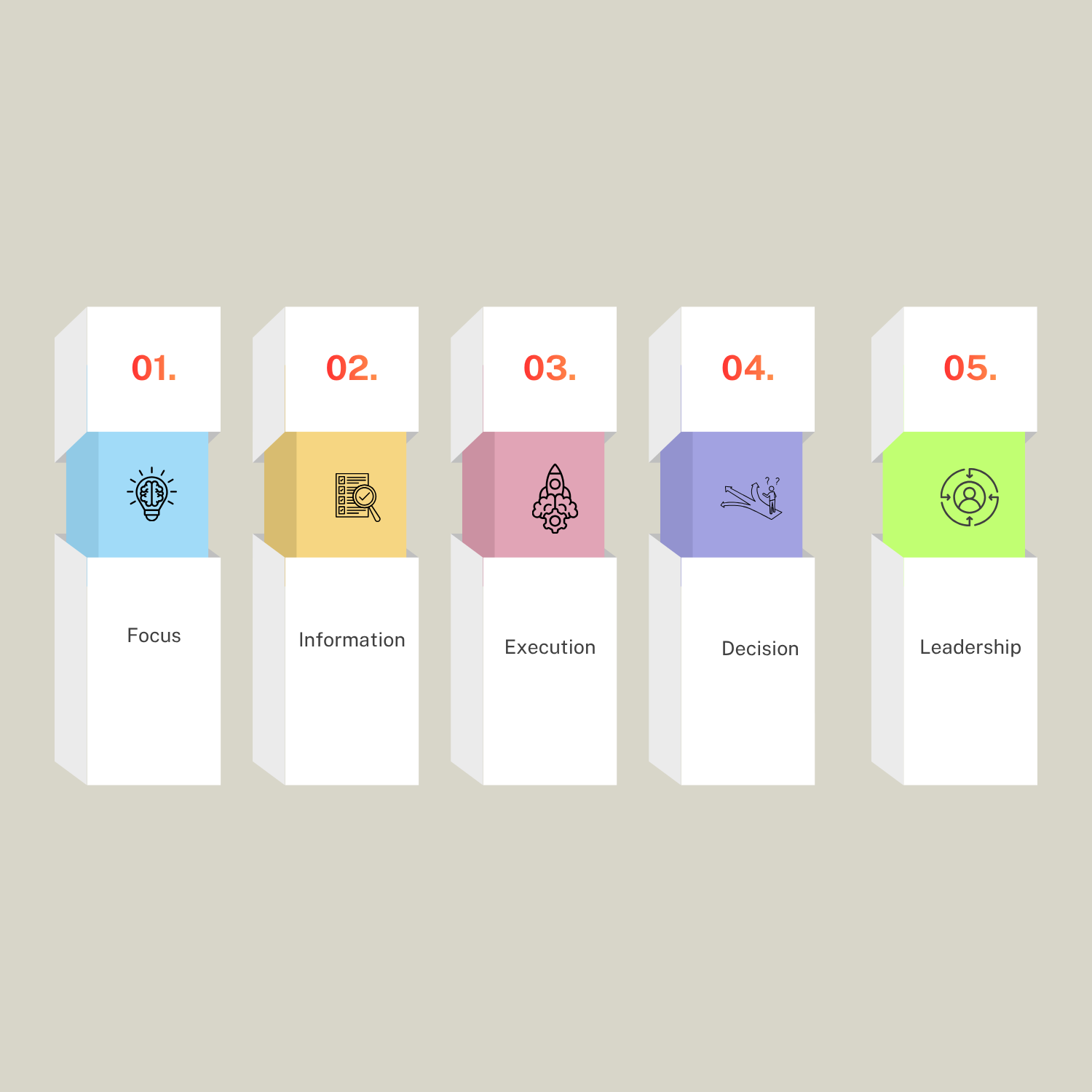
Before we talk about what Executive Assistants do, we have to start with why the role exists in the first place.
Leadership today is not limited by ideas, talent, or opportunity. It is limited by attention. The more successful a leader becomes, the more fragmented their focus becomes. And when focus breaks, execution slows, decisions weaken, and growth loses momentum.
This is where Executive Assistants come in.
Their true purpose is not to manage tasks. It is to protect and multiply leadership capacity so that leaders can stay focused on what truly moves the organization forward.
From that purpose, everything else follows.
The strongest Executive Assistants are not defined by activity, but by impact. They operate with a set of principles that constantly answer one question: why does this matter to leadership performance right now
1. Protect executive focus so leaders can lead, not react
Why it’s important
Because every interruption takes attention away from thinking, deciding, and leading.
Executives do not struggle because they lack skill, they struggle because their attention is constantly fragmented.
What actually happens
A strong Executive Assistant actively controls how time and attention are used by:
- Designing calendars around priorities, not convenience
- Reducing unnecessary meetings
- Protecting uninterrupted deep work blocks
- Filtering distractions before they reach the executive
Real world results
When Elon Musk was scaling Tesla and SpaceX at the same time, his schedule depended on extreme focus control and tightly structured time blocks. At that level, even small interruptions create major delays in thinking and decision making. Executive support becomes essential in protecting that focus so leadership can operate at full capacity.
2. Turn information into clarity so decisions become easier
Why it’s important
Because leaders do not fail from lack of information, they fail from too much of it.
Information without clarity slows everything down.
What actually happens
An Executive Assistant filters and structures information by:
- Condensing complex updates into clear summaries
- Separating action items from informational updates
- Highlighting what actually requires attention
- Preparing context before key meetings
Real world results
At Amazon, Jeff Bezos pushed for written narratives instead of chaotic verbal meetings. That system only works when information is structured and filtered properly before it reaches leadership. Executive support plays a key role in making sure leaders receive clarity, not noise, so decisions can be made faster and with more confidence.
3. Enable execution reliability so decisions actually get done
Why it’s important
Because decisions are only valuable when they are executed consistently.
Without follow through, even the best strategy loses impact.
What actually happens
Executive Assistants help maintain execution flow by:
- Tracking commitments across teams
- Ensuring deadlines stay visible
- Surfacing blockers early
- Maintaining momentum across initiatives
Real world results
During Microsoft’s rapid growth, execution complexity increased across every division. Leaders like Bill Gates relied on structured support systems to ensure priorities were not lost in competing demands. Many execution failures in large organizations are not strategy problems, they are follow through problems.
4. Build systems that scale so growth does not create chaos
Why it’s important
Because growth without structure creates friction instead of progress.
As companies scale, complexity increases faster than capacity.
What actually happens
Executive Assistants help build structure by:
- Standardizing workflows
- Creating consistent communication rhythms
- Organizing documentation and information flow
- Supporting operational consistency across teams
Real world results
At Apple, operational discipline played a major role in how the company scaled globally under Steve Jobs. While innovation drove visibility, structured internal systems ensured decisions moved cleanly through the organization without breakdown as complexity increased.
5. Apply strong judgment so leadership focuses on what matters
Why it’s important
Because leadership attention is limited, and not everything deserves it.
Judgment determines what gets seen and what gets filtered out.
What actually happens
A strong Executive Assistant continuously decides:
- What should be escalated immediately
- What can be handled independently
- What should be filtered out completely
- What deserves executive attention
Real world results
In government and Fortune 500 environments, executive assistants and chiefs of staff often act as critical decision filters. At that level, a single misjudgment can redirect significant resources or delay major decisions. This is why trust in executive support becomes absolute.
The foundation
These principles are not theoretical. They are the operating system behind high performing executive support.
When applied consistently, they reshape how leaders operate under pressure by improving focus, clarity, execution, structure, and judgment.
The result is not just better support.
It is stronger leadership capacity.