
How AI Is Changing the Executive Assistant Role
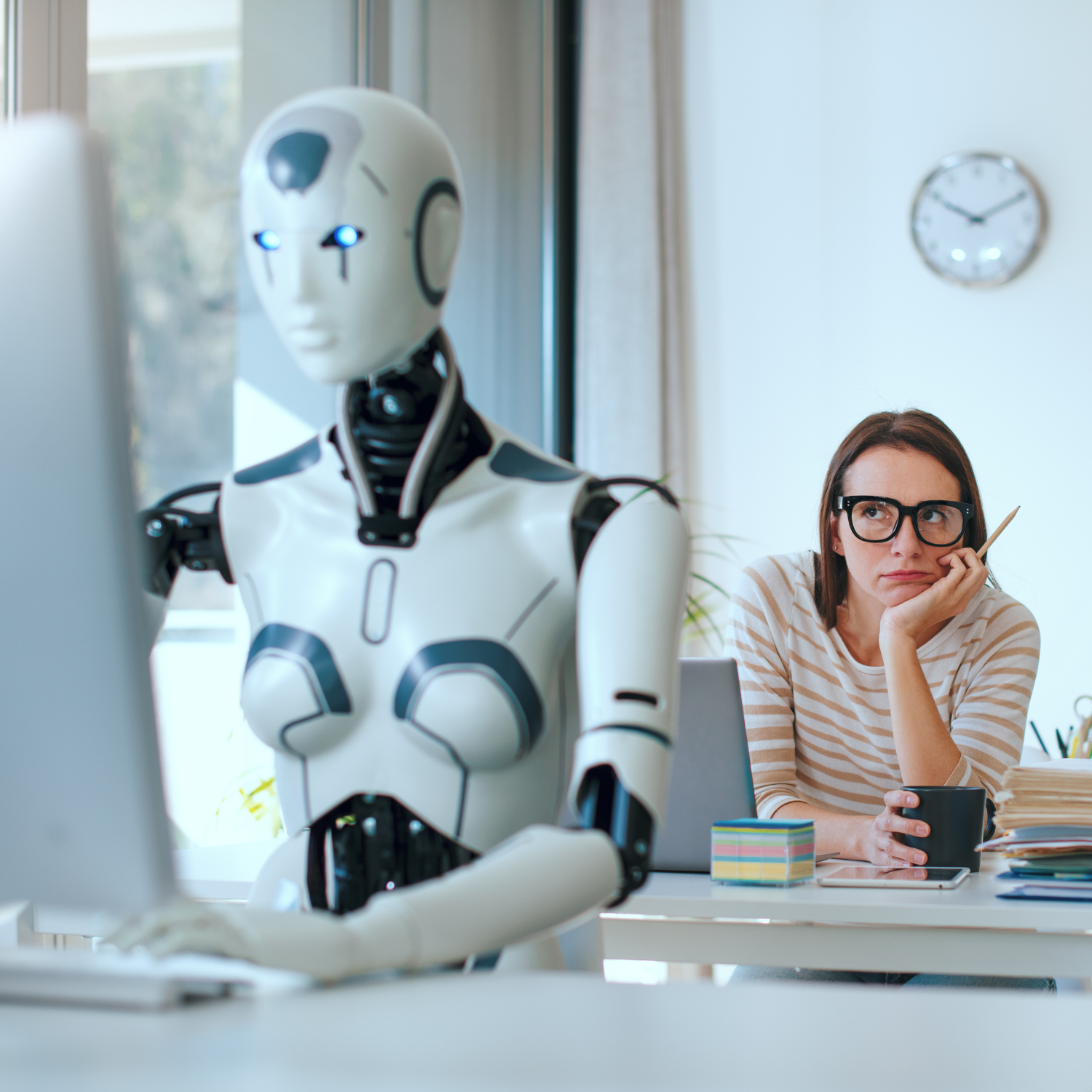
When AI first started showing up everywhere, I'll admit it crossed my mind.
"Is this going to replace Executive Assistants?"
It wasn't just me asking the question. It was everywhere. LinkedIn posts, news articles, conversations with other EAs. Every new AI tool seemed to come with another prediction about administrative jobs disappearing.
The more I used AI, though, the more I realized something. AI isn't replacing what makes a great Executive Assistant valuable.
It's replacing the parts of the job that never should have taken so much of our time in the first place.
There are plenty of things AI can do faster than I can. It can summarize meeting notes. Draft emails. Organize information. Pull together research in seconds.
I use those tools because they save time. But none of them know my executive.
They don't know which meetings should be declined even if there's an open calendar slot.
They don't know which stakeholder needs a phone call instead of an email.
They don't recognize when a simple request is about to become a much bigger problem.
That's where the real work begins.
People often describe Executive Assistants by the tasks we complete.
Calendars. Travel. Meetings. Inbox management.
Those are outputs.
The real job has always been judgment.
Knowing what matters. Knowing what can wait. Knowing how to protect an executive's time without creating friction.
No software can replace the context that comes from working closely with a leader day after day.
I don't see AI as competition. I see it as another tool.
Years ago, cloud calendars changed how we worked.
Project management software changed how we collaborated.
Video meetings changed how we supported global teams.
AI is simply the next evolution.
The difference is that this one removes more of the repetitive work than any technology before it. That gives us something we rarely have enough of.
TIME.
If AI saves me an hour every day, I'm not looking for another hour of administrative work.
I'm using that time to think. To improve processes. To prepare my executive for important conversations. To spot risks before they become problems. To strengthen relationships across the organization.
That's where Executive Assistants create the most value anyway.
Being fast at administrative work is still useful. But it's no longer enough on its own.
Organizations need Executive Assistants who can think critically, communicate clearly, solve problems, and understand how the business operates.
The role is becoming more strategic because technology is making routine work less demanding.
Ironically, AI is making human skills even more valuable.
The Executive Assistants who will stand out over the next few years won't necessarily be the ones who avoid AI.
They'll be the ones who learn how to use it well. They'll automate repetitive work without losing the personal touch. They'll combine technology with judgment. They'll spend less time processing information and more time helping executives make better decisions.
That's a very different role than the one many of us started in.
And I think it's a better one.
AI isn't replacing Executive Assistants.
It's raising the standard.
The role is becoming less about managing tasks and more about applying judgment, building relationships, solving problems, and helping leaders focus on what matters most.
That's not something technology can do on its own.
It's something great Executive Assistants have been doing all along.